
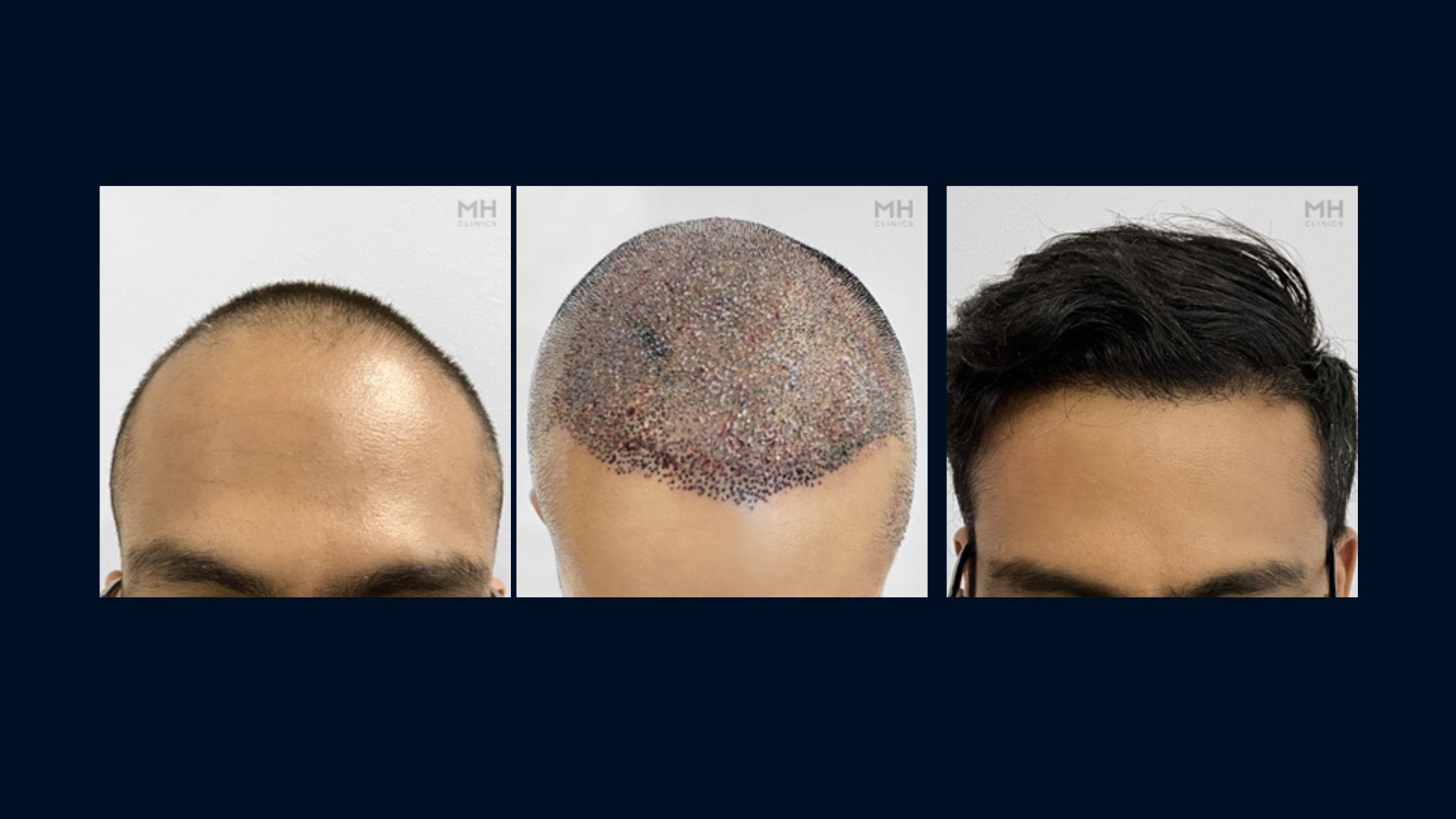
Why Hair Loss Is About More Than Hair
Understanding the emotional, aesthetic and long-term considerations behind hair transplantation.
Key Takeaway
• Hair loss often affects confidence and self-perception, not just appearance.
• A successful hair transplant is about restoring natural facial balance rather than simply adding hair.
• Hairline design is one of the most important aspects of achieving a natural looking result.
• Hair transplantation and hair preservation are different conversations, but both should be considered when developing a long-term treatment plan.
• Every patient is different, and suitability for hair transplantation should always be determined following assessment by a registered medical practitioner.
Hair Is More Than a Cosmetic Feature
When most people think about hair loss, they think about losing hair.
Many people are experiencing something much deeper.
Hair frames the face.
It influences how we perceive age, facial proportions and expression. It contributes to the first
impression we make and often becomes part of how we recognise ourselves.
Hair loss rarely happens overnight.
It usually develops gradually over many years.
The temples slowly recede.
The hairline changes.
The crown becomes thinner.
For many people, the biggest change isn’t what others notice.
It’s what they notice every morning in the mirror.
Why Hair Loss Can Affect Confidence
Hair loss is a very personal experience.
Some people are completely comfortable with it.
Others find it affects their confidence in subtle ways.
They may begin:
• changing their hairstyle
• avoiding photographs
• wearing hats more frequently
• becoming more aware of overhead lighting
• spending more time thinking about their appearance
This doesn’t necessarily reflect vanity.
It reflects the relationship many people have with their own identity.
Feeling comfortable with your appearance can influence confidence in both personal and professional
settings.
Hair Transplantation Is About Restoring Balance
One of the biggest misconceptions surrounding hair transplantation is that the goal is simply to
replace lost hair.
In reality, the objective is usually much more refined.
The most natural results restore facial balance.
Rather than drawing attention to the transplant, they aim to create a hairline that appears appropriate
for the individual’s age, facial structure and future hair loss pattern.
The best hair transplant is often the one nobody notices.
Friends may simply comment that you look well or refreshed without recognising exactly why.
Why Hairline Design Matters
Hairline design is one of the most important decisions made during treatment planning.
Every person’s face is different.
Factors that influence an appropriate hairline include:
• facial proportions
• forehead height
• age
• ethnicity
• hair calibre
• hair characteristics
• donor hair availability
• anticipated future hair loss
Creating a hairline that appears natural today is only part of the objective.
It should also continue to look natural many years into the future.
This is why thoughtful planning is often more important than creating the lowest possible hairline.
Hair Transplantation And Hair Preservation Are Different Conversations
While they are closely related, hair transplantation and hair preservation address different aspects of
hair loss.
Hair transplantation aims to restore areas where permanent hair loss has already occurred.
Hair preservation focuses on maintaining existing hair and managing future hair loss where
appropriate.
For many patients, both conversations are important.
Considering long term hair loss patterns, donor hair management and future treatment options can
help create a result that continues to look balanced over time.
Every Patient Is Different
Not everyone experiencing hair loss is an appropriate candidate for surgery.
Factors that may influence treatment recommendations include:
• the cause of hair loss
• age
• stability of the condition
• donor hair availability
• overall health
• treatment goals
Sometimes surgery may be appropriate.
Sometimes medical management or observation may be recommended first.
A comprehensive assessment helps determine the most suitable pathway for each individual.
Looking Beyond The Procedure
For many people, deciding whether to explore hair transplantation is not simply about appearance.
It is about confidence.
It is about feeling comfortable in photographs.
It is about recognising themselves again.
The most successful outcomes are rarely those that create dramatic change.
Instead, they often restore a natural appearance that allows people to stop thinking about their hair
and simply enjoy everyday life.
Questions Worth Asking During A Consultation
If you are considering hair transplantation, you may wish to discuss:
• Am I a suitable candidate?
• Is my hair loss stable?
• What treatment options are available?
• How much donor hair do I have?
• What should I expect over the coming years?
• How can I help preserve my existing hair?
Understanding these questions can help you make an informed decision that considers both your
current goals and your long-term interests.
Final Thoughts
Hair transplantation is not simply about replacing hair.
It is about careful planning, realistic expectations and creating a result that complements the
individual rather than changing who they are.
For many people, the greatest success is not having more hair.
It is reaching a point where they no longer think about their hair every day.
That is often the difference between simply restoring hair and restoring confidence.
Disclaimer
This article is provided for general educational purposes only and is not intended to replace personalised medical advice.
Suitability for hair transplantation varies between individuals and should always be determined following consultation with a
registered medical practitioner. Outcomes differ between patients, and no particular result can be guaranteed.

AUTHOR
Bianca Shaw
A well-respected surgical stylist, Bianca Shaw has worked in the hair loss industry for 28 years, educating and supporting patients, and working alongside many of Australia’s leading surgeons. Qualified in Trichology and Hairdressing, Bianca was initially trained by a leading hair transplant surgeon and can perform a range of procedures including hair line design, placement of grafts for maximum density, and the dissection and implantation of hair follicles.
Having worked for leading hair loss companies, and managing a number of successful hair transplant practices, Bianca is committed to helping patients understand the treatment options available, ensuring they make the best decision and get the best results to improve their appearance and quality of life.